
Rhinoplasty for a Crooked Nose in St. George, UT
Improve Nasal Alignment and Restore Facial Symmetry
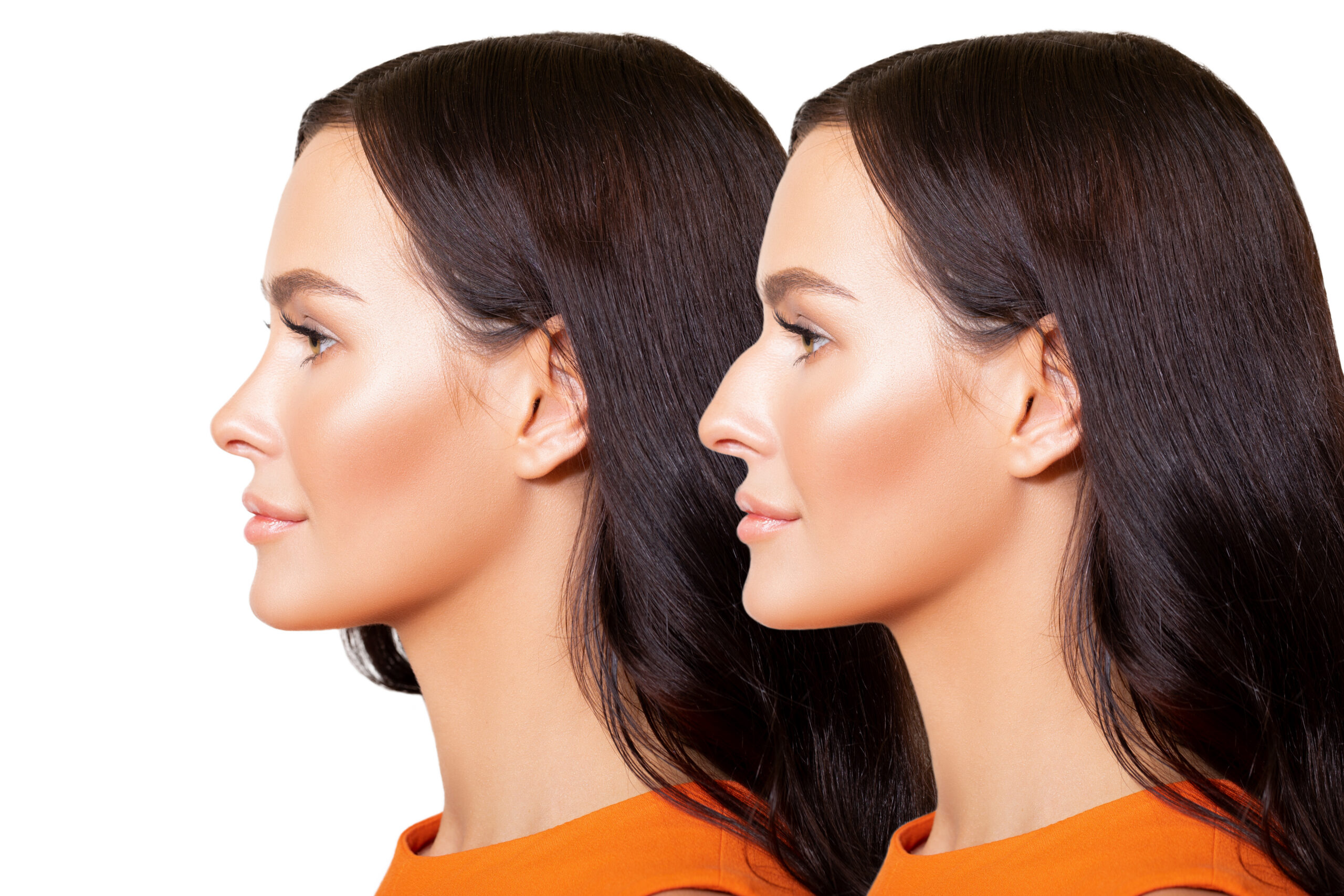
A crooked nose is one of those concerns that tends to grow more noticeable over time, in photos, in mirrors, and in day-to-day self-awareness. Whether yours developed after an injury or has simply always been part of how you look, nasal deviation can affect both facial symmetry and, for some patients, how comfortably they breathe.
Dr. Kent E. Gardner, a double board-certified facial plastic surgeon at Gardner Facial Plastic Surgery in St. George, brings a rare combination of cosmetic and functional expertise to crooked nose correction. His training in otolaryngology and head and neck surgery means he evaluates the nose from the inside out.
What Causes a Crooked Nose?
Nasal deviation rarely comes from a single source. Most cases involve some combination of changes to the nasal bones, the cartilage framework, or the septum.
Common contributing factors include:
- Prior trauma, such as a sports injury, accident, or fall
- A deviated septum that shifts the nose off-center and may restrict airflow
- Natural developmental differences in how the nasal bones or cartilage formed
- Gradual changes in skin elasticity and nasal support that make asymmetry more visible with age
Because multiple structures are often involved simultaneously, understanding exactly what is driving the deviation is essential before developing a surgical plan.
How Rhinoplasty Can Correct a Crooked Nose
Correcting nasal deviation requires reshaping or repositioning the structures responsible for the misalignment. Depending on your anatomy, this may involve repositioning the nasal bones, reshaping the upper or lower lateral cartilages, correcting the septum, or using cartilage grafts to support and stabilize the nasal framework long-term.
When grafts are needed, Dr. Gardner typically harvests cartilage from within the nose itself. For patients who prefer to avoid a second surgical site, a sterilized human rib cartilage allograft is available as an alternative. You may discuss this with Dr. Gardner during your rhinoplasty consultation.
One thing patients should understand going in: perfect symmetry is not a realistic surgical goal. Every face carries some degree of natural asymmetry, and the aim of crooked nose rhinoplasty is meaningful, visible improvement in alignment and proportion. Dr. Gardner is direct about what correction is realistically achievable for each patient’s specific anatomy.
Breathing Concerns and Functional Rhinoplasty
For patients whose crooked nose is also affecting their breathing, the cosmetic and functional concerns can often be addressed in the same procedure. A deviated septum is a frequent contributor to both the visible deviation and restricted nasal airflow, and Dr. Gardner’s background in otolaryngology, nasal surgery, and sinus-related conditions makes him uniquely equipped to evaluate and treat both at once.
If you’ve been dealing with chronic nasal congestion, difficulty breathing through one side, or sinus-related symptoms alongside cosmetic concerns, be sure to raise those at your consultation. Depending on the functional component of your case, a portion of the procedure may qualify for insurance coverage.
Who Is a Good Candidate?
Rhinoplasty for a crooked nose may be right for you if you:
- Are bothered by visible nasal asymmetry or a misaligned bridge
- Had a nasal injury that changed the shape or alignment of your nose
- Experience difficulty breathing through one or both sides of your nose
- Are you a non-smoker in good overall health
- Have realistic expectations about what surgical correction can achieve
The best way to determine whether you’re a candidate is through a personal consultation with Dr. Gardner, where he can assess your anatomy and give you an honest picture of what rhinoplasty can accomplish.
Recovery and Results
Most patients return to work and light daily routines within one to two weeks. Early swelling and bruising are expected and improve steadily through the first several weeks. Because crooked nose correction often involves the nasal bones in addition to cartilage, some patients experience more pronounced initial swelling than those undergoing tip-only rhinoplasty.
As healing progresses, patients typically notice:
- Improved nasal alignment from both the front and profile
- Better symmetry across the bridge and tip
- Clearer breathing, when functional concerns were part of the plan
Final results develop gradually and can take up to a year to fully emerge. Browse Dr. Gardner’s rhinoplasty before-and-after gallery to see real patient outcomes from crooked nose and other rhinoplasty procedures.
Thick Skin and Nasal Tip Rhinoplasty
Thicker nasal skin doesn’t disqualify a patient from rhinoplasty, but it does change the conversation. Skin acts as a layer between the cartilage and what the outside world sees, which means results for patients with thicker skin tend to look softer and develop more gradually than they might in patients with thinner skin.
What thick skin doesn’t prevent is real improvement. With the right framework underneath, the skin adapts over time. Dr. Gardner focuses on building a nasal structure that supports the overlying tissue rather than simply relying on the tissue to reveal what’s been done. Patients with thicker skin should plan for a longer refinement period, often up to a full year.
Is Rhinoplasty for a Bulbous Tip Right for You?
The best candidates for bulbous nose rhinoplasty are patients who are in good overall health, have a clear sense of what bothers them about their nasal tip, and understand that results emerge gradually rather than immediately.
If you’ve been self-conscious about a wide or rounded nasal tip — whether that’s been the case for years or you’re noticing new changes with age — a consultation with Dr. Gardner is the right place to start. He will assess your anatomy, give you an honest picture of what surgery can realistically accomplish, and help you decide whether rhinoplasty is the right choice for your goals.
“Excellent Facial Plastic Surgeon”

“I am so happy with my recent procedures. He has helped me look younger and I feel the best I ever have!”
Crooked Nose Rhinoplasty FAQs
I broke my nose years ago. Can rhinoplasty still help?
Yes. Post-traumatic nasal deviation is one of the most common reasons patients pursue rhinoplasty. Whether the injury happened recently or years ago, Dr. Gardner can evaluate the affected structures and develop a plan to address both appearance and breathing function if needed.
Can cosmetic and functional concerns be corrected at the same time?
Yes. Dr. Gardner regularly addresses nasal alignment and breathing concerns together. His otolaryngology background allows him to evaluate internal nasal structure, septal deviation, and sinus-related issues alongside cosmetic goals — all within a single procedure.
Will the results look natural?
Yes. Every surgical plan at Gardner Facial Plastic Surgery is built around your individual facial structure. The goal is a nose that looks aligned and proportional with your face.
How long until I see my final results?
Meaningful improvement becomes visible as early swelling subsides in the first few weeks. Final refinements in alignment continue to develop gradually, with complete results typically taking up to a year to fully emerge.
Dr. Gardner’s Approach to Crooked Nose Rhinoplasty in St. George
Correcting a crooked nose is among the most technically demanding procedures in facial plastic surgery. It requires simultaneous changes to multiple nasal structures — bones, cartilage, septum — while preserving nasal function and achieving a result that looks natural and proportional.
Dr. Gardner is double board-certified by the American Board of Otolaryngology and the American Board of Facial Plastic and Reconstructive Surgery. He received the TOP SCORE in the nation on the Facial Plastic Surgery Board Exam and is the recipient of the Jack Anderson National Award for scholastic excellence in facial plastic surgery.
His fellowship training in head and neck surgery, microvascular surgery, and facial plastic and reconstructive surgery gives him the foundation to navigate complex nasal anatomy with precision. As a specialist exclusively in the face and neck, Dr. Gardner brings a depth of anatomical knowledge and surgical experience that goes well beyond what a general plastic surgeon offers.
His otolaryngology background is especially relevant for crooked nose correction, where the line between cosmetic and functional concerns frequently overlaps.
Schedule Your Rhinoplasty Consultation in St. George, UT
If you’re bothered by a crooked or asymmetrical nose — whether from a past injury or a structural concern you’ve had for years — we can help. Contact Gardner Facial Plastic Surgery to schedule a consultation with Dr. Gardner today.